
Beyond the Lab
Beyond the Lab
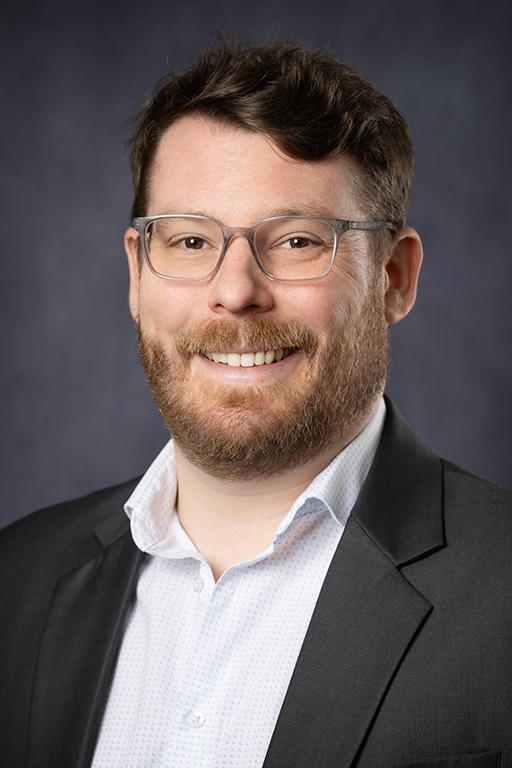
Dr. Corey Green's career began in the water. From childhood summers along Michigan's Little Sturgeon River to his college years just a mile from the icy shores of Lake Superior, he has been shaped by time spent wading through currents and cattails. Now, as an assistant professor of biology at Eastern New Mexico University, Green has turned his interest into a career dedicated to bringing young scientists closer to their interests and engaging with stewardship of the resources that defined his youth.
At Eastern, Green is building a research culture centered around student empowerment. By prioritizing hands-on field and lab work, mentorship, and student opportunity, Green ensures the conservation projects he leads serve as a training ground for future scientists, moving beyond the classroom and into active environmental advocacy.
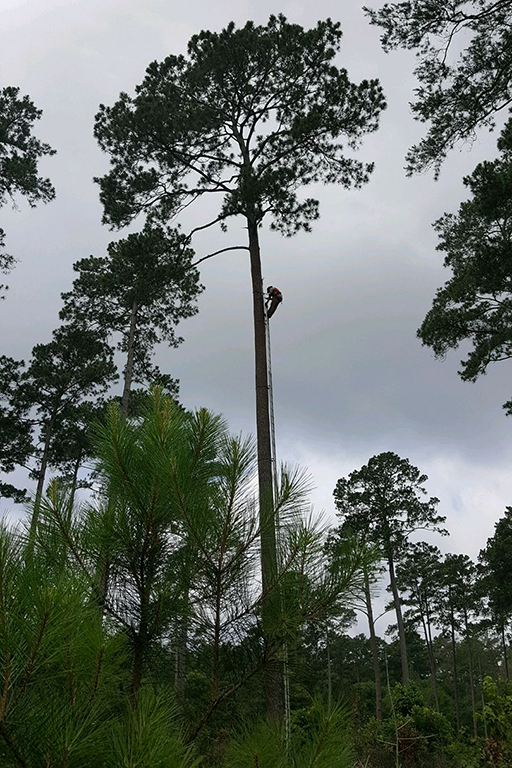
"The funding systems at the national and state levels are set up in a way that really benefits ENMU," Green notes. Funding programs specifically designed for smaller universities have supported Green's research; opportunities he believes are often overlooked by peer institutions. One example is a grant through the National Fish and Wildlife Federation (NFWF) focusing on the Rio Grande cooter, a freshwater turtle native to the Rio Grande watershed. Green and his students use funding for fieldwork experience, collecting DNA and water quality samples and assessing the turtle habitats throughout the Southern Pecos watersheds.
The reason Green is focused on student opportunities is because he knows firsthand what it can mean for his students to be in the field, learning and experiencing what they are interested in.
“Eastern has been really good to me in helping me secure funding and finding students willing to help me do research. The funding I have now is just a steppingstone.”
"I think [Northern Michigan University] was the perfect place for me," Green reflects, recalling the place where his professional life began. It was a culture of immersive fieldwork where he and his classmates spent their days in the woods, streams, and lakes. "We used to have a competition... whoever had the strongest tan lines from their sandals on their feet was the winner," he mused. To them, the tan lines measured dedication, proof of who was the most submerged in research.
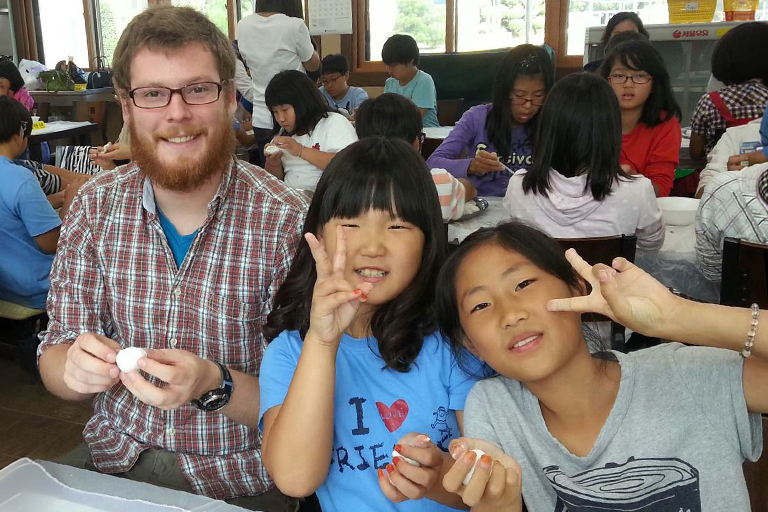
Green's studies took him beyond the wetlands of Michigan to new countries and areas of research that he found through grants, federations, and school funding. He spent a year in Brazil working an internship, continuing his college studies, and exploring the Amazon rainforest collecting insects and other organisms for research. "That experience gave me the bug to travel," Green mentions his adventures right after graduation from Northern Michigan University when he joined a funded program that took him to South Korea. Originally, Green viewed the opportunity as another chance to go abroad, but it unexpectedly revealed a new passion. "That opportunity is what indicated to me that I enjoyed teaching," he reflects on the excitement of a young classroom, "I taught everything from first through sixth grade and really enjoyed being in the classroom. This experience led me to where I am today."
"It's gratifying watching the students whom you've been instructing succeed in some way, shape, or form," he explained. Green notes that the same fulfillment he found years ago in South Korea translates to his lab today. "When [my students] go to their first conference, they present, they win awards, they publish papers, they perform their first research project on their own, and that's what makes [teaching] so rewarding," he says, thinking of the futures of his students.
During his master's thesis work on mercury contamination, he found a sense of independence that truly inspired his approach to student work. "I designed my own projects, I went out in the field, I dealt with things that didn't go the way I wanted them to," Green says, a drastically different experience than when he worked on research projects throughout his undergraduate experience. "[I] just felt like a cog. Only doing what you're told, and helping somebody else with their questions," Green compares how he felt being allowed to answer his own questions and learn in his own way. When he successfully published the results from the mercury study, he felt metamorphosized. "It made me feel like I'm actually a scientist, rather than just a student studying science."
Green became determined to learn more, pursue more education, and lead research that made his students feel the same sense of ownership over their work. He doesn't want any of his students to feel like a cog, especially when they have their own ideas, interests, and voices in the scientific world.
“[My students] don't know if they should be here, so I try to be that person to encourage them.”
After receiving his Ph.D. in biology at the University of North Texas, Green joined Eastern as a tenure-track professor in Fall of 2023. Green views this position as a support system for our unique student demographic. Many of his students benefit from state programs like the lottery scholarship, which provides access to those who may not have originally envisioned themselves in higher education. Green encourages students to join his active research lab, where his grants fund positions and travel for conferences. "A student of mine went to Michigan State University for a whole month to do research and was trained with some of my colleagues," he mentions. "Eastern is a place that, in many cases, provides students with opportunities they never expected to have."
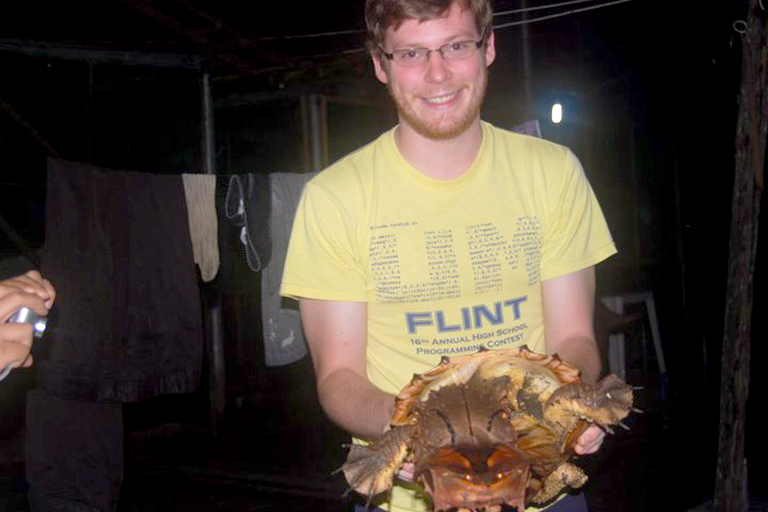
"[My students] don't know if they should be here, so I try to be that person to encourage them," he says of the work he does behind the scenes to make their education possible. Because he was able to access so many opportunities through school, he knows what and how to make those opportunities available for our students.
By empowering his students to become confident scientific practitioners, Green is ensuring the next generation is equipped to tackle emerging environmental challenges.
Commitment to mentorship is Green's primary method for transforming the University into a powerhouse of ecological research. "I would love to play a part in making ENMU an integral voice in the issues surrounding water and conservation in the Southwest region," he says from the heart of the Pecos River, with a cooter in his hands. "I want to have brought unique experiences to my students and push progress at this university."