The Rules:
Greg Senn’s Studio
Navigation Guide
The Rules:
Greg Senn’s Studio
Navigation Guide
Professor Emeritus of Art and current art lecturer, Greg Senn, spent decades teaching Sculpture I-IV, Ceramics, Art Metals, and 3-D Design, courses where ENMU students learned to handle fire, blades, heat, weight, and unpredictability. Having forged a career out of stubborn self-sufficiency and a bone-dry wit, Senn views the studio not as a shrine to aesthetics but as a training ground for real life. His philosophy is distilled into a handful of unapologetic, essential rules, absorbed by those working beside him.
Rule 1: Sarcasm is Included. No Refunds
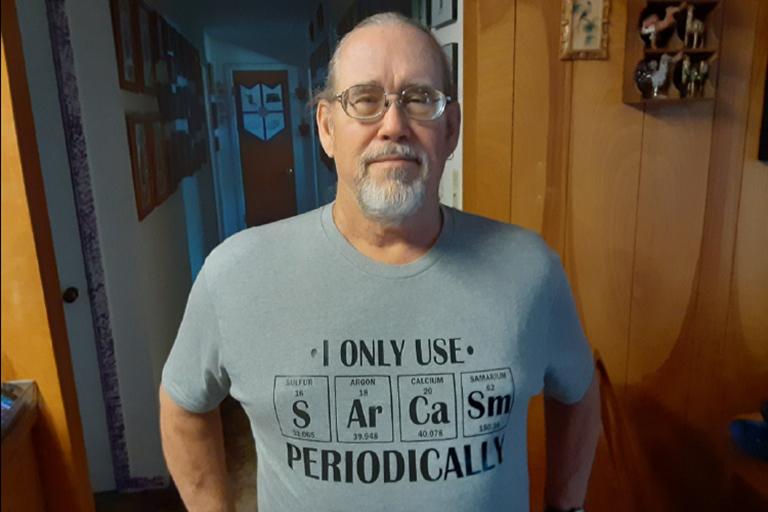
Senn's students quickly learn to navigate his default setting: a wit he delivers with a deadpan expression. "I have a very dry sense of humor," he often warns them, his eyes twinkling slightly. "My wife says it's not humor at all, that it's just sarcasm."
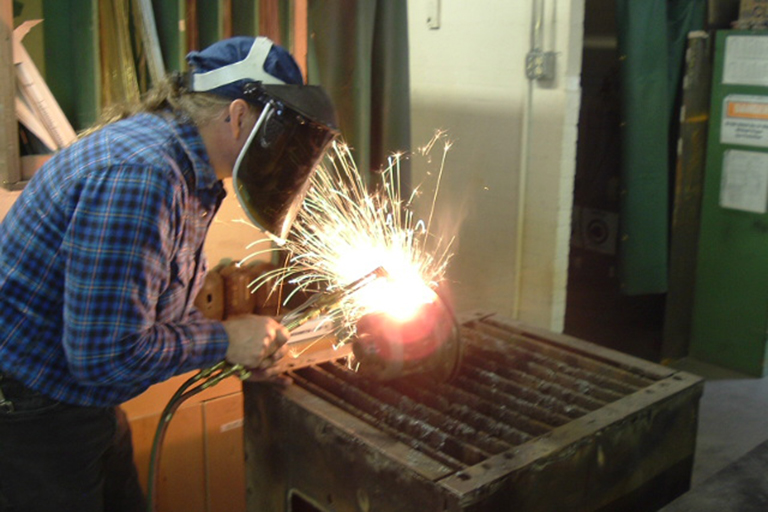
When a student's thoughtfully thrown pot slumps into a muddy puddle or their careful weld snaps, there isn't panic or dramatic sigh. Senn simply walks over, surveys the damage with a neutral gaze, and breaks the tension with a quiet, "Well… that didn't work."
The room chuckles as the anxiety instantly dissipates at the powerful refrain, turning failure into instruction. Senn's dryness transforms frustration into something manageable, even comical, creating a safe space for students to remain engaged, curious, and confident. The only real mistake is the one from which a person doesn't learn anything, but it's easy for anyone to get discouraged when things don't go their way.
Rule 2: Explore before asking too many questions
Senn grew up in rural northern Wisconsin, where he spent most of his time outdoors, navigating boredom without screens and finding his purpose through exploration. "I wish everybody could grow up that way. We spent an awful lot of time hunting, fishing, and just basically woods running. Swimming in lakes and rivers," he said.
Fly fishing, scuba diving, and later, working with clay pulled Senn into a focus he couldn't replicate anywhere else. "Zen," as he calls it, "they take [me] to a place where the rest of the world basically doesn't exist." Senn wants to empower his students to search for their zen within their art.
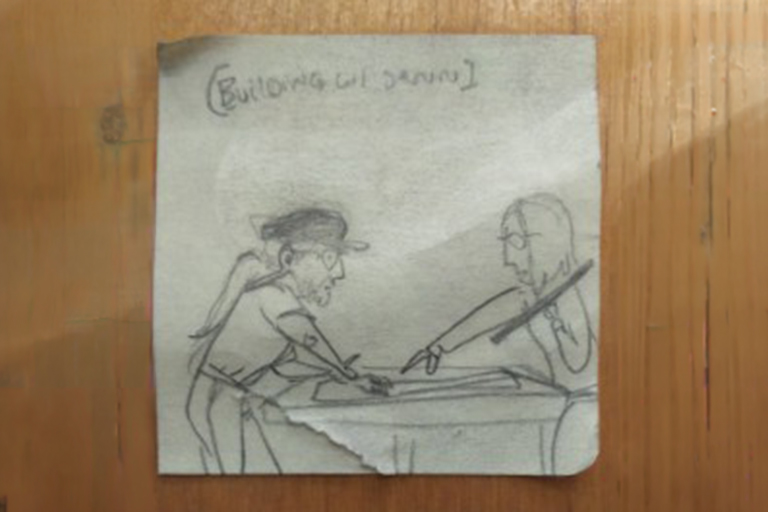
Students don't always enter that focused space easily, especially when anxiety and uncertainty hit. Amidst the chaos and pressure of the studio, his desk often becomes the emergency room for a thousand anxious "How do I…?" questions.
Those are the moments when Senn shifts the responsibility back to the student. Not harshly, but with an expectation rooted in a time before the internet, when boredom was his primary motivation for being creative. "There was no sitting around indoors twiddling your thumbs," he said. "You have to find things to do."
Senn gestures to the world outside of himself, "when I'm working, this stuff out here is non-existent. Everything is right here." This is the feeling he wants his students to find.
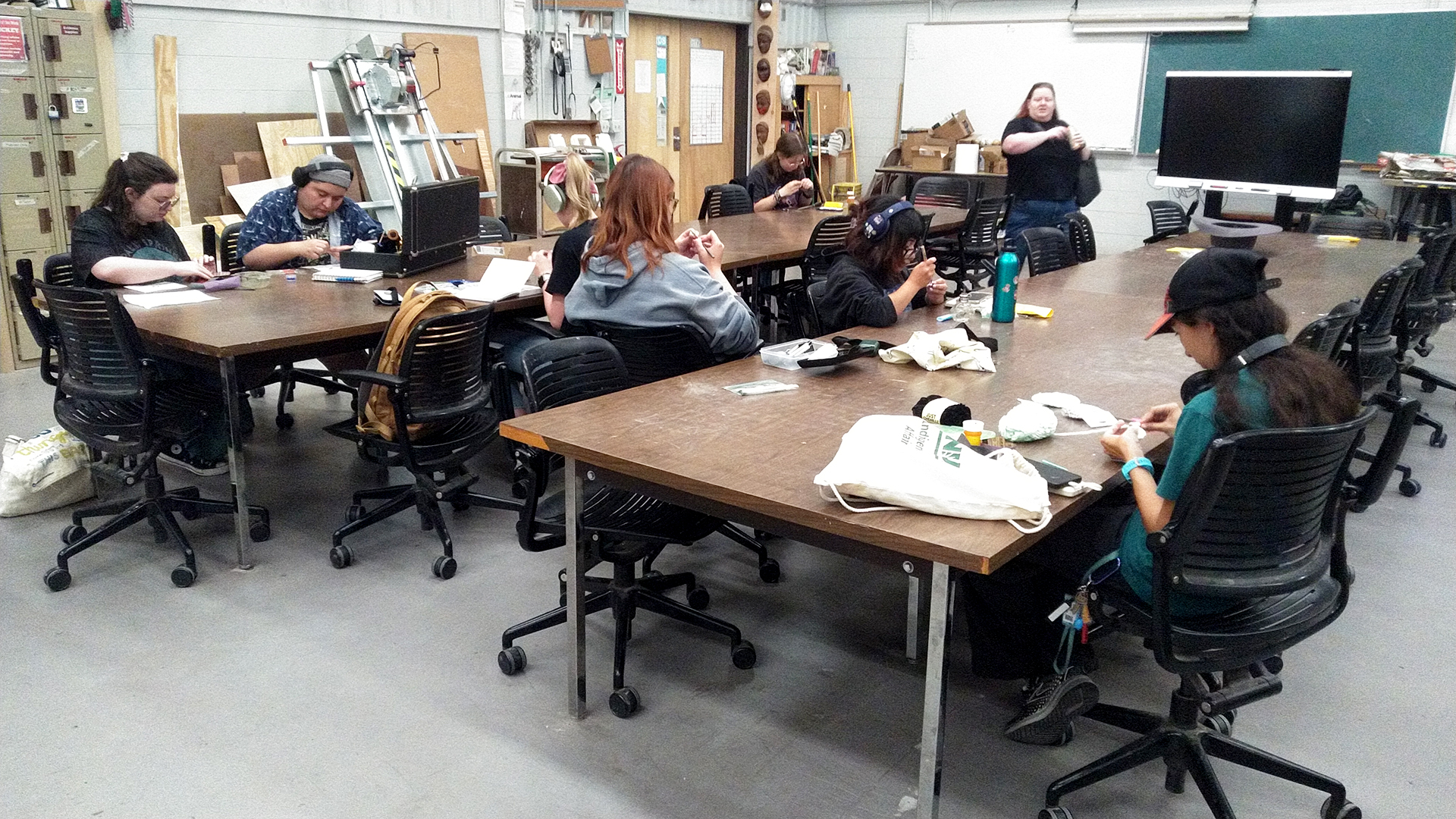
Senn emphasizes the sketch as the first crucial step; it forces the mind into a focused, critical state, pushing past the first easy instinct. It requires the student to navigate the problem themselves rather than waiting for an answer to be handed to them.
He didn’t wait until he “knew enough” to begin; he began and learned what he needed along the way.
Rule 3: Capability vs. Fragility
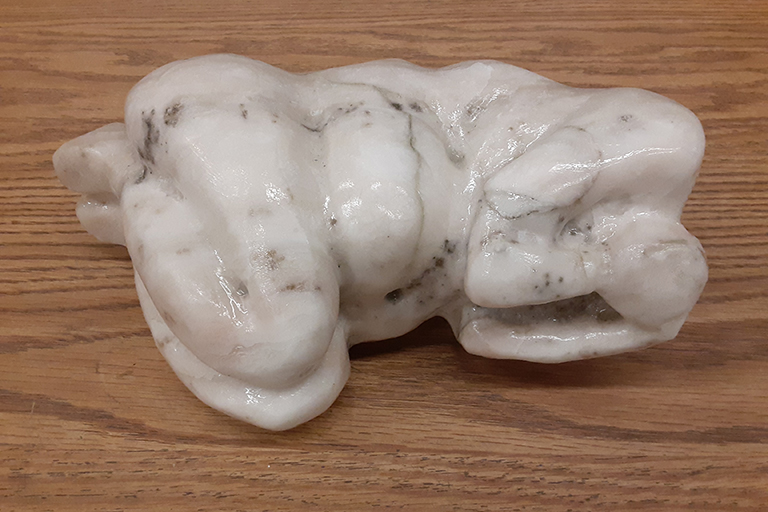
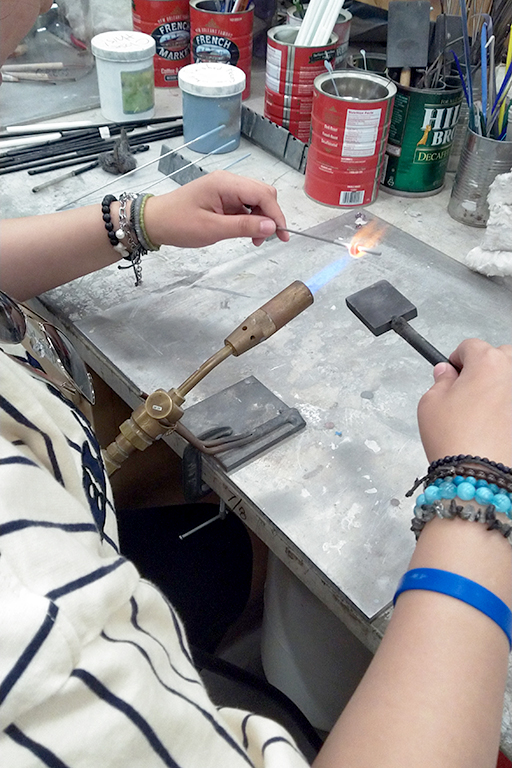
For Senn, art isn't a nebulous feeling or a whispered philosophy; it's empowerment. Throughout his career, Senn learned many mediums without formal training: flameworking glass, working with resin sand, carving stone, and forging knives. He didn't wait until he "knew enough" to begin; he began and learned what he needed along the way.
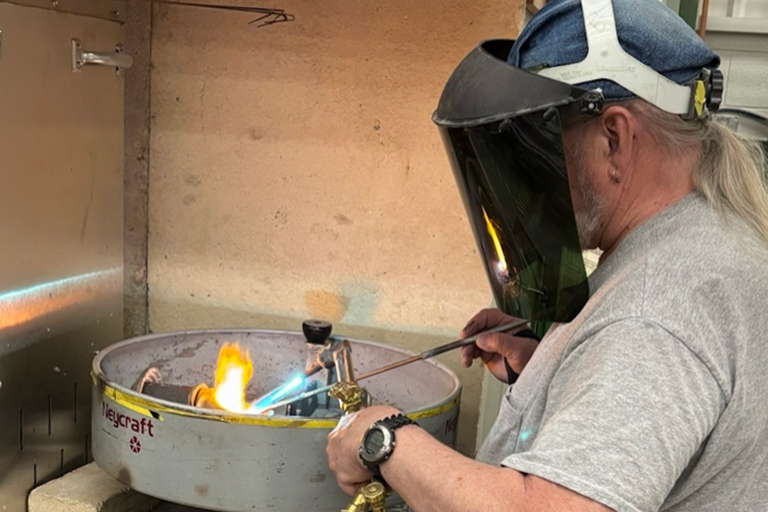
Whether students plan to pursue art long-term or never again, Senn ensures that the studio becomes a place on campus where they can learn skills they can take anywhere. He talked about former students who now fix things at home, repair their own cars, build furniture, solve problems on the job, and tackle new challenges without hesitation. That, to him, is the real outcome of an art class; not a portfolio of creations, but a belief that when something breaks or needs to be built, his students know they can handle it.
Rule 4: Clay Lies, But It Teaches the Truth
Senn began his college career studying marine biology, but his academic direction shifted during his sophomore year after taking a required fine arts elective in ceramics at the University of Wisconsin-Marathon County. The world fell away while he was creating, and by the end of the semester, the throwing wheel became the only thing that mattered. "If I go three weeks without being creative, I get crabby," he laughs, "I tell students I'm addicted."
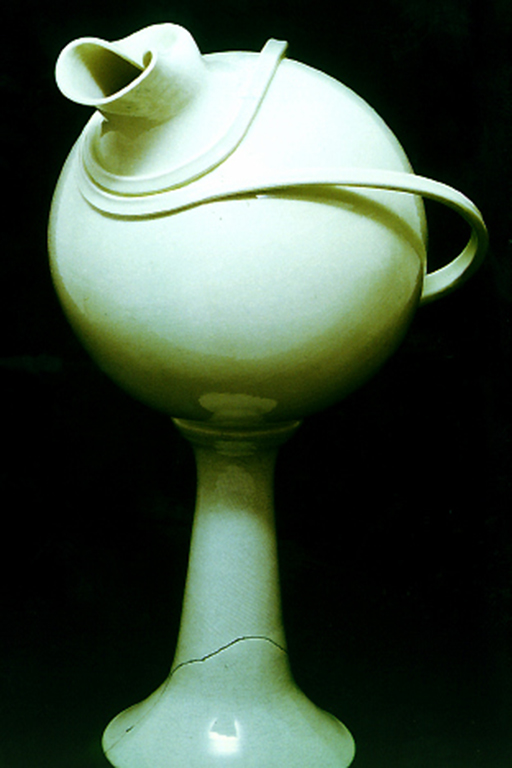
Senn calls clay the "quintessential liar" because it can convincingly imitate nearly anything: metal, stone, fabric, even skin. The material becomes whatever the artist intends, and the viewer decides whether the illusion holds. Creating that level of illusion requires intense sensitivity, observation, and confidence in one's hands. Clay became Senn's artistic language; seeing through the lies of it and into the peaceful truths he can convey. "Throwing is so enveloping. It's physical, it's spiritual, it's emotional," he said. "I know that sounds like a lot of philosophical nonsense, but there's that element of zen to it that sucked me right in."
“You are a seed. Somebody planted you. Somebody nurtured you. Somebody invested time, energy, effort, and money in you. How do you say thank you to that person with a piece of artwork?”
Rule 5: Don't Look Away
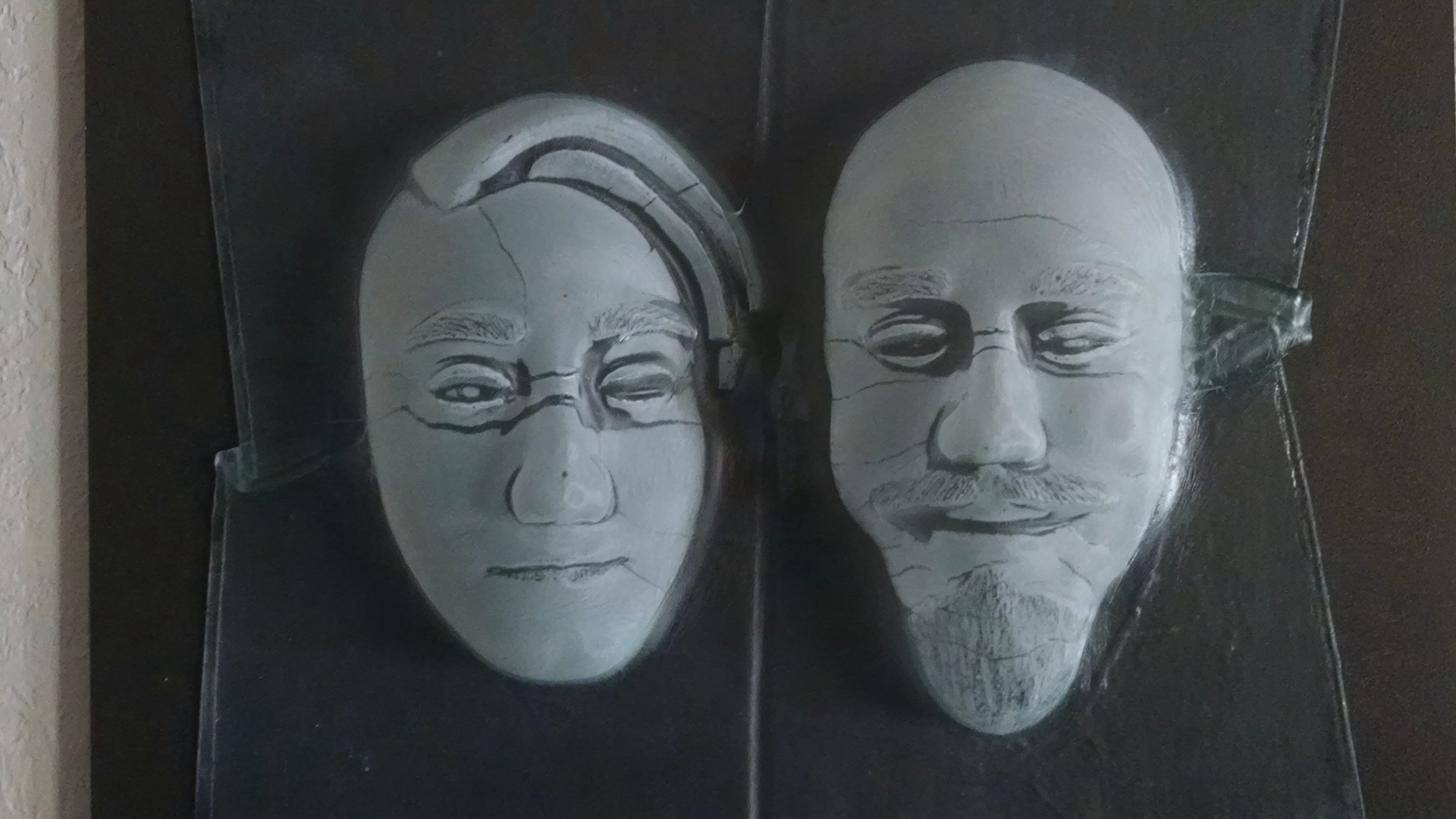
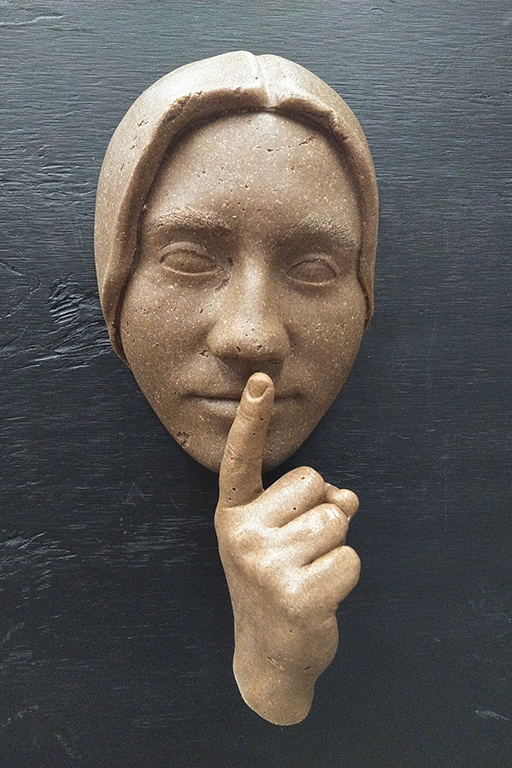
For Senn, art is both a way to escape the world and to confront it. An instinct to pursue meaning through material underpins his current work, including his ongoing series on Missing and Murdered Indigenous Women. The project started after he heard a song about institutional abuse referencing the history of the Magdalene Laundries in Ireland, institutions that once imprisoned and exploited thousands of women deemed "fallen." These laundries operated for over two centuries and became notorious for forced labor, abuse, and erasure of identity. The more he read about it, the more it "demanded expression," as he put it.
He began working with crude face casts. Over time, those casts transformed through a long, tactile process: rubber molds, sand casting, and resin pours. These works are emotional for him. "They are the ones that best represent where I am as an artist," he said. For Senn, these faces are a response to the violence, erasure, and silence, and the slow, difficult making of them becomes part of the meaning.
He expects his students to approach their own instincts with the same willingness to look, reflect, and create. In his Design II course, he assigns a conceptual project that invites them to look at their own roots. "I tell them 'You are a seed. Somebody planted you. Somebody nurtured you. Somebody invested time, energy, effort, and money in you. How do you say thank you to that person with a piece of artwork?"
Rule 6: Leave More Than You Take
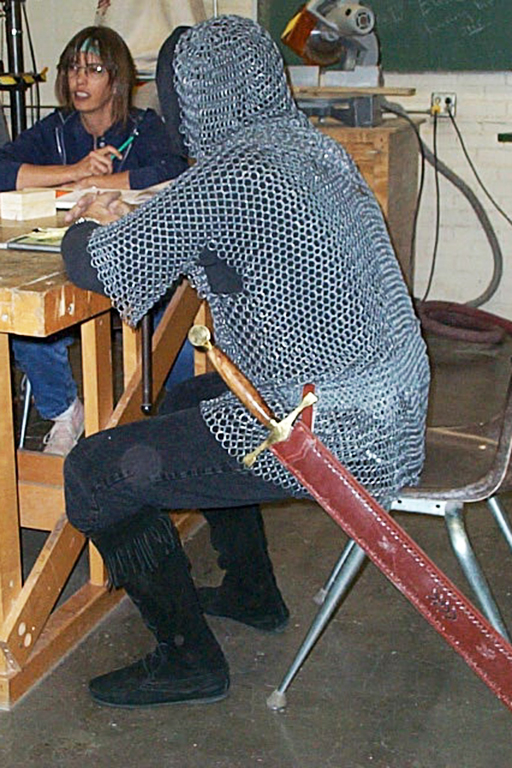
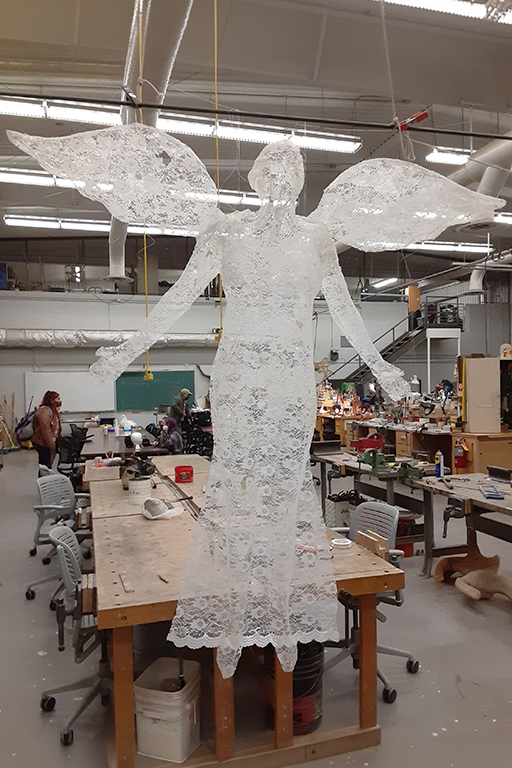
Senn doesn't talk about his legacy in grandiose language, but he threads it through everything he does. Mentors once invested time, patience, and belief in him, and he tries to return that investment forward. "[My mentor's] efforts helped me become who I am. And I'm hoping my efforts help students become who they can be," he said. The space, the tools, and the belief invested in those around him are not gifts he is keeping, but debts he is repaying. Senn admits that his students have been known to create work that pokes fun at his teaching style or exaggerates his classroom persona. This is something he welcomes because it shifts the focus from his authority to their execution. If the piece is well-built and the concept is sound, Senn is more than happy to be the punchline.
Senn believes that the success of an artist is measured by what they put back into the environment that helped shape them: the next student they encourage, the community they strengthen, the door they hold open behind them, because in the end, the best thing to build is someone who can build without you.
Beyond the welds and the clay, Senn's real work is in the artists who leave his classroom. The studio's legacy isn't always a gallery of finished sculptures, but the creators who leave as more resilient, self-sufficient, and ready to take on whatever comes next.